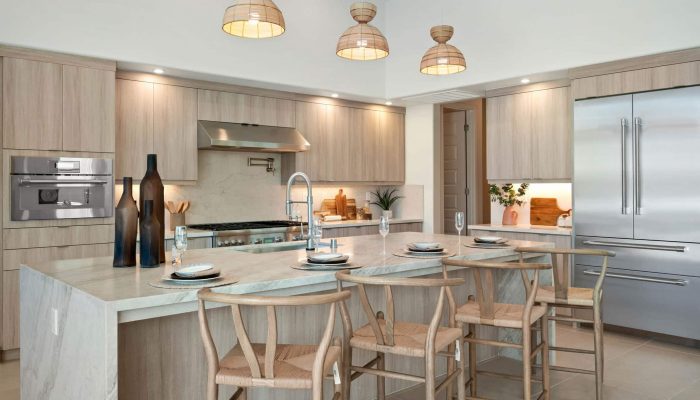
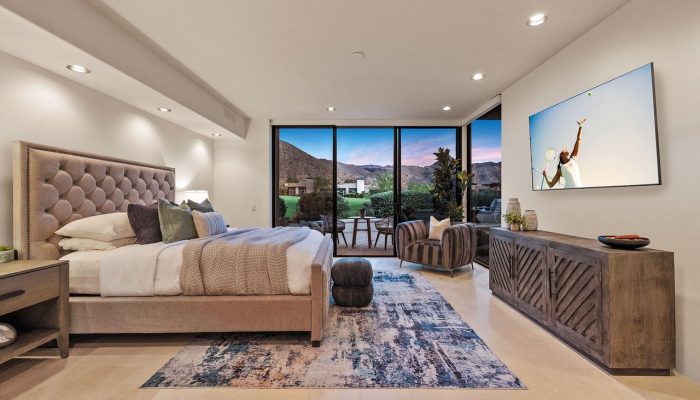
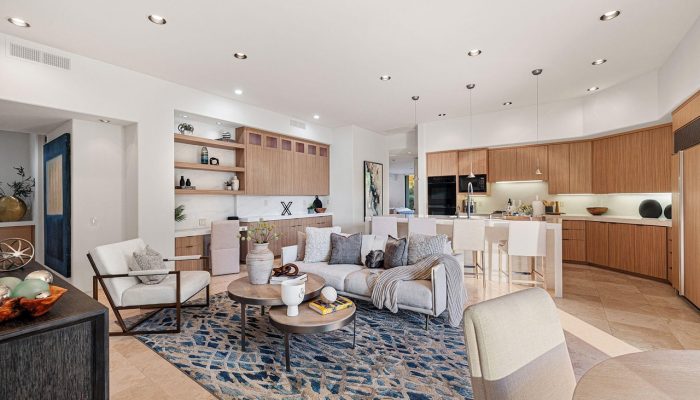
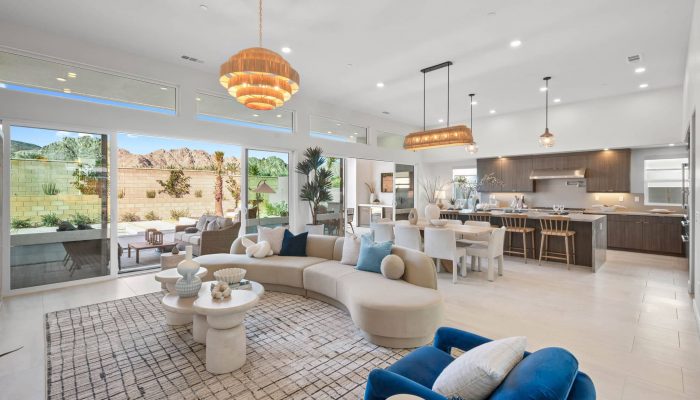
Selling a high-end home involves more than placing a property on the market and waiting for the right buyer. At this level, presentation can influence how buyers experience the home, understand its potential, and remember it after a showing. Professional home staging helps create a thoughtful, cohesive environment that allows the property’s architecture, design, and lifestyle to come through from the moment a buyer walks through the door.
For luxury properties, staging is not simply about filling empty rooms with attractive furniture. It is about creating a design that considers the home’s proportions, architecture, views, finishes, and intended audience. When each element is selected with the property in mind, staging can help buyers connect with the space while keeping the home itself at the center of the experience.
Luxury Homes Need More Than Beautiful Furniture
High-end properties often have distinctive architectural details, expansive floor plans, dramatic windows, custom finishes, or exceptional views. Without the right furnishings, however, these features may not have the impact they deserve, particularly when large or unusually shaped rooms are difficult to understand without visual reference points. Professional staging introduces furniture and accessories that help establish scale, define spaces, and create a natural flow throughout the home.
An expansive living room, for example, can feel cold or disconnected when it is completely empty. A thoughtfully arranged seating area can demonstrate how the room might be used while making the proportions easier to understand. The same approach can be applied to oversized bedrooms, dining areas, offices, and outdoor living spaces where buyers may otherwise have difficulty visualizing their potential.
The right staging strategy also considers the property’s architecture and location. A contemporary coastal home may call for a different design direction than a traditional estate, modern hillside property, or Spanish-style residence. The goal is not to impose a particular aesthetic, but to select furnishings that complement the character of the home and reinforce the qualities that make it distinctive.
Staging Helps Buyers Experience the Home
One of the most important roles of home staging is helping buyers visualize how they could actually live in a property. A professionally staged living room can demonstrate the scale of the space while establishing a comfortable area for conversation and entertaining. Similarly, a dining room, primary suite, home office, or outdoor area can feel much more purposeful when buyers can immediately understand how each space functions.
This becomes especially valuable in homes with expansive floor plans or unconventional layouts. Without visual anchors, large rooms can feel disconnected or difficult to interpret, even when the architecture itself is exceptional. Thoughtful furniture placement gives buyers a clearer sense of proportion and helps establish a natural relationship between adjoining spaces.
Staging can also create an emotional connection with a property. Buyers may not remember every measurement or finish they see during a showing, but they are more likely to remember how the home made them feel. Warm materials, balanced furniture arrangements, layered textures, and carefully selected artwork can create an atmosphere that feels sophisticated, comfortable, and intentional without making the home feel overly decorated.
The Right Design Can Highlight Architecture and Views
Luxury homes often include features that deserve to take center stage, including floor-to-ceiling windows, fireplaces, statement staircases, architectural ceilings, expansive outdoor areas, and panoramic views. Furniture should support these features rather than compete with them, allowing the home’s most compelling elements to remain visually prominent. A successful staging plan considers the entire room and determines where furniture can enhance the experience without creating unnecessary visual distractions.
For example, a seating arrangement can be positioned to draw attention toward a dramatic view while still maintaining a natural conversation area. A carefully selected rug can define an expansive room without making it feel smaller, while artwork can add visual interest without overwhelming an important architectural feature. These decisions may seem subtle, but together they create a more cohesive and intentional presentation.
Professional staging therefore goes beyond selecting attractive pieces. Every item should have a purpose within the larger composition, from establishing scale to directing attention or improving the flow between rooms. When furniture, artwork, lighting, and accessories work together, the design supports the property’s architecture instead of competing with it.
Staging Strengthens Online Marketing and Photography
Today’s home search often begins online, which means buyers may experience a property through listing photographs long before they ever schedule a private showing. For high-end properties, those first impressions can be especially important because potential buyers are often comparing multiple exceptional homes at the same time. Professional staging gives photographers a stronger foundation for creating images that communicate the property’s character, scale, and overall experience.
Furniture creates visual anchors that can make rooms easier to photograph and understand. A thoughtfully styled space can provide depth, contrast, and focal points while helping potential buyers see how different areas of the home connect. Consistency between rooms also creates a stronger visual story, allowing listing photography to feel cohesive rather than like a collection of unrelated spaces.
Strong photography does not replace the property itself, nor should staging attempt to disguise its character. Instead, thoughtful design helps the photography communicate what makes the home worth seeing in person. When buyers can understand the scale, flow, and atmosphere of a property before scheduling a showing, they have a stronger foundation for deciding whether the home fits what they are looking for.
Does Every Luxury Home Need to Be Fully Staged?
Not every luxury property requires the same staging approach. The right strategy depends on the architecture, condition, existing furnishings, floor plan, location, target buyer, and overall marketing goals of the property. Some homes may benefit from full staging, while others may need a more selective approach that focuses on key rooms or adds specific pieces to existing interiors.
A partially furnished home, for example, may already have furniture that complements the architecture but lack the artwork, rugs, accent pieces, or additional seating needed to complete the presentation. In another property, existing furnishings may need to be edited or rearranged to improve scale and flow. A professional staging team can evaluate the home as a whole and determine where additional design support can have the greatest impact.
Vacant properties can benefit particularly from professional staging because empty rooms are often difficult for buyers to interpret. Without furniture, it can be challenging to understand the scale of a large room or envision how an unusual layout might function. Carefully selected furnishings provide context while allowing buyers to focus on the property’s architecture, finishes, views, and other defining features.
How Professional Staging Differs From Decorating
Decorating and staging may involve many of the same elements, but they serve different purposes. Decorating is typically personal and reflects the preferences, lifestyle, and personality of the people who live in a home. Staging, on the other hand, is strategic and designed to present the property in a way that appeals to a broader group of potential buyers.
That does not mean a staged home has to feel generic or lack personality. Sophisticated furnishings, distinctive artwork, layered textures, and sculptural pieces can still create a memorable interior while maintaining broad appeal. The difference is that each design decision is made with the property, buyer experience, and overall presentation in mind.
Professional staging also requires an understanding of how furniture works within a particular space. A beautiful sofa may not be the right choice if it overwhelms the room, blocks a view, or disrupts the natural flow of the floor plan. The staging process considers scale, proportion, color, texture, and placement so that the finished design feels intentional from room to room.
Is Home Staging Worth the Investment?
For sellers considering whether to invest in staging, it can be helpful to think about the role staging plays within the property’s broader marketing strategy. A luxury home may already have exceptional architecture, finishes, views, and amenities, but those features still need to be presented in a way that buyers can immediately understand and appreciate. Professional staging supports that presentation by ensuring the physical space receives the same level of consideration as the property’s photography and marketing materials.
The value of staging also extends beyond the furniture itself. Professional staging can include design expertise, inventory selection, furniture delivery, installation, artwork, rugs, accessories, and final styling that bring the entire property together. For a high-end listing, these details can help create a more polished experience from the initial online impression through the private showing.
Staging does not guarantee a particular sale price or timeline, and it should not be presented as a replacement for strategic pricing or effective marketing. Market conditions, location, property condition, buyer demand, and many other factors influence the outcome of a real estate sale. What professional staging can do is help ensure that the property is presented intentionally and that its strongest qualities are easy for potential buyers to see.
At Parker Rose Design, our home staging team creates thoughtfully furnished interiors designed to complement each property’s architecture, location, and market position. From furniture selection and artwork to installation and final styling, every detail is considered with the buyer’s experience in mind.
Discover our Luxury Home Staging services and see how we elevate your next listing. Browse our latest projects to see how home staging services can help your property make an unforgettable first impression, and contact us today at (800) 403-2711 to get started!